Modern, faithful translations of the Swedish classics — so more readers can meet them in a language they already love. Quietly typeset, carefully edited, and built to last. Seven titles published; more on the way.
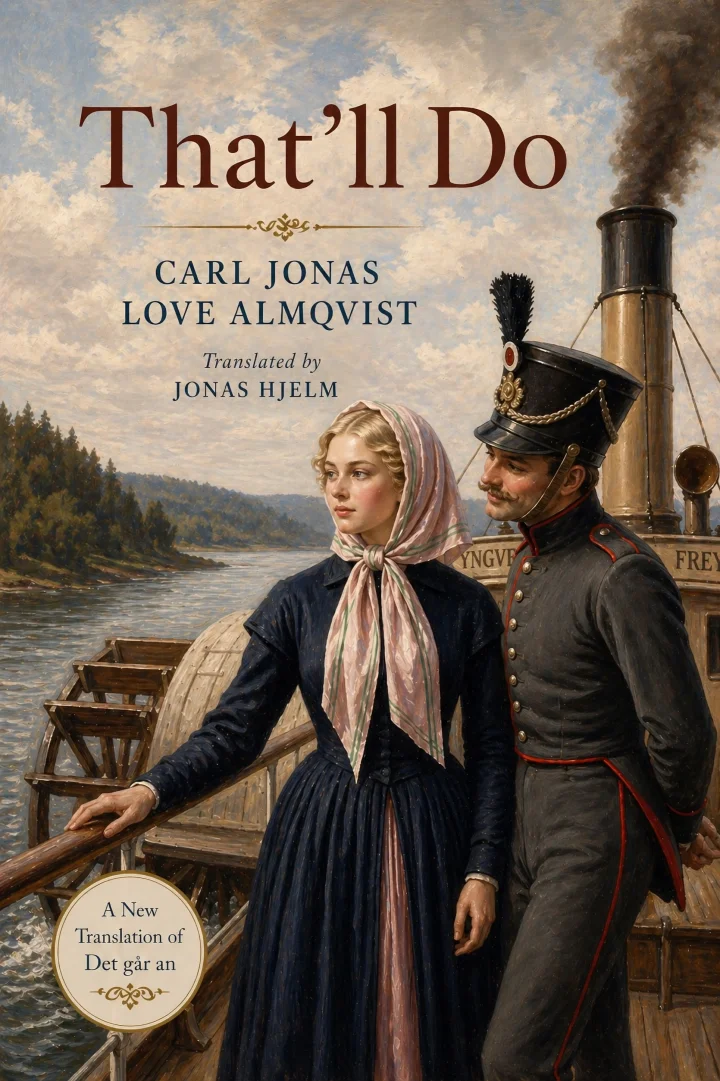
On a steamboat from Stockholm, Sergeant Albert meets Sarah Widebeck — and their journey north becomes an argument about love, work, marriage, and the right of a woman to shape her own life. Almqvist's slim, scandalous masterpiece reads, almost two centuries on, as freshly contemporary.
"A short novel that, in 1839, asked nineteenth-century Sweden a question it could not answer."
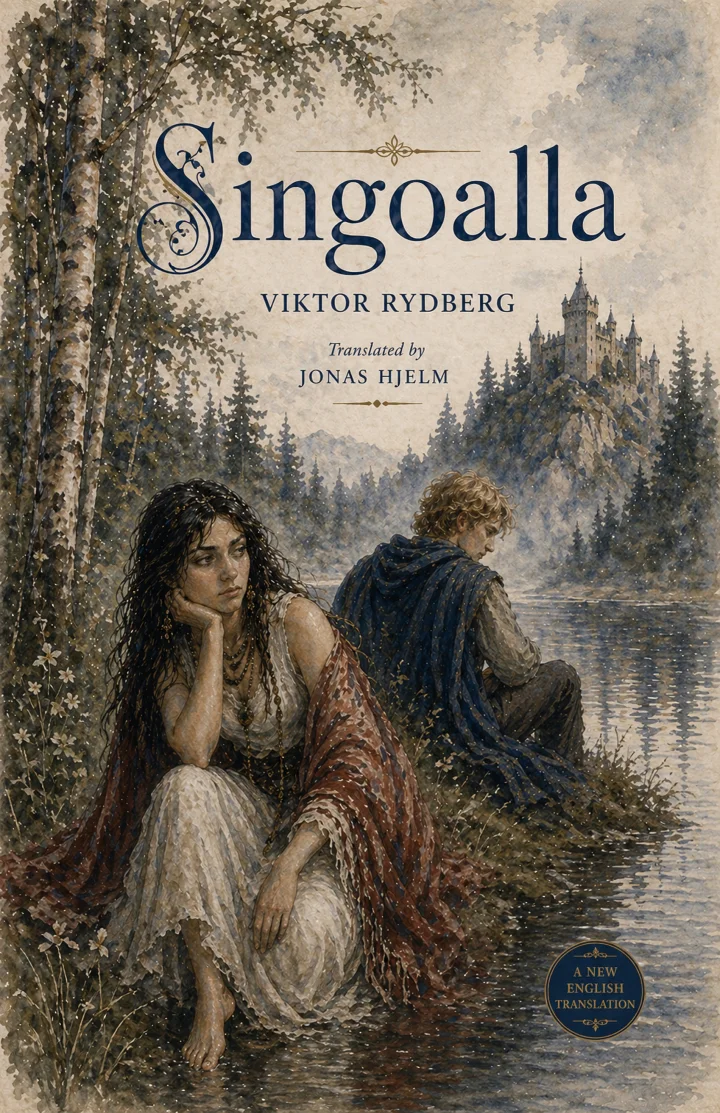
Set in Småland in the 1340s, a young Swedish knight encounters Singoalla, a girl of the wandering folk, deep in the medieval forest. Lyrical, melancholy Romanticism suffused with the sacred and the uncanny — Rydberg's most enduring novel, and the source of operas, paintings and a century of Scandinavian myth-making.
"The forest is older than the church, and Rydberg never lets the reader forget it."
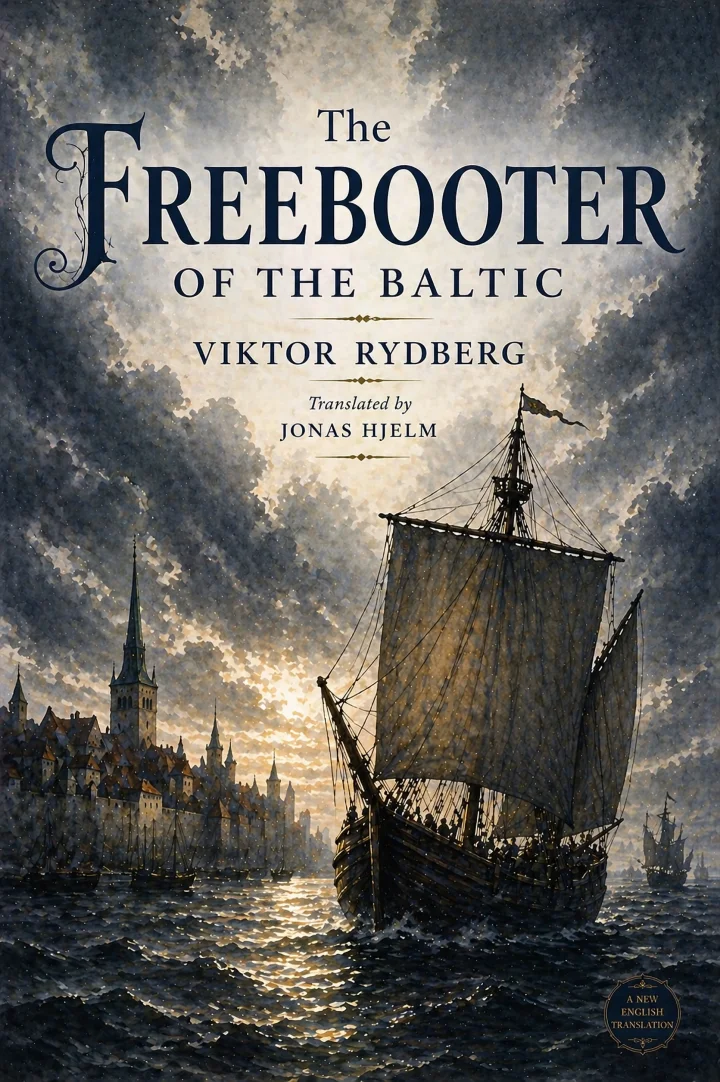
A swashbuckling tale of piracy on the Baltic, set in seventeenth-century Sweden — with political overtones. When young nobleman Gustav Drake is drawn into a conspiracy against the regency, his fate becomes bound up with witch trials, high-seas adventure, and a love that puts everything at risk.
The novel weaves together two dark threads of the age: a secret plot among the Swedish nobility to overthrow the council of state, and the witch trials that swept the country, condemning innocent women to burn at the stake. At the center of the second thread stands the fanatical priest Suenonius — described by Swedish critics as one of the most frightening clerical figures in all of Swedish literature.
Freebooter of the Baltic is grounded in real history. The real Gustaf Drake preyed on Baltic shipping between 1657 and 1663. Councillor Skytte and his daughter Maria appear as characters. The conspiracy and the witch trials are drawn from documented events in seventeenth-century Kalmar County.
"Rydberg's most frightening creation is not a pirate but a priest — the fanatical Suenonius, one of the great clerical villains of Swedish literature."
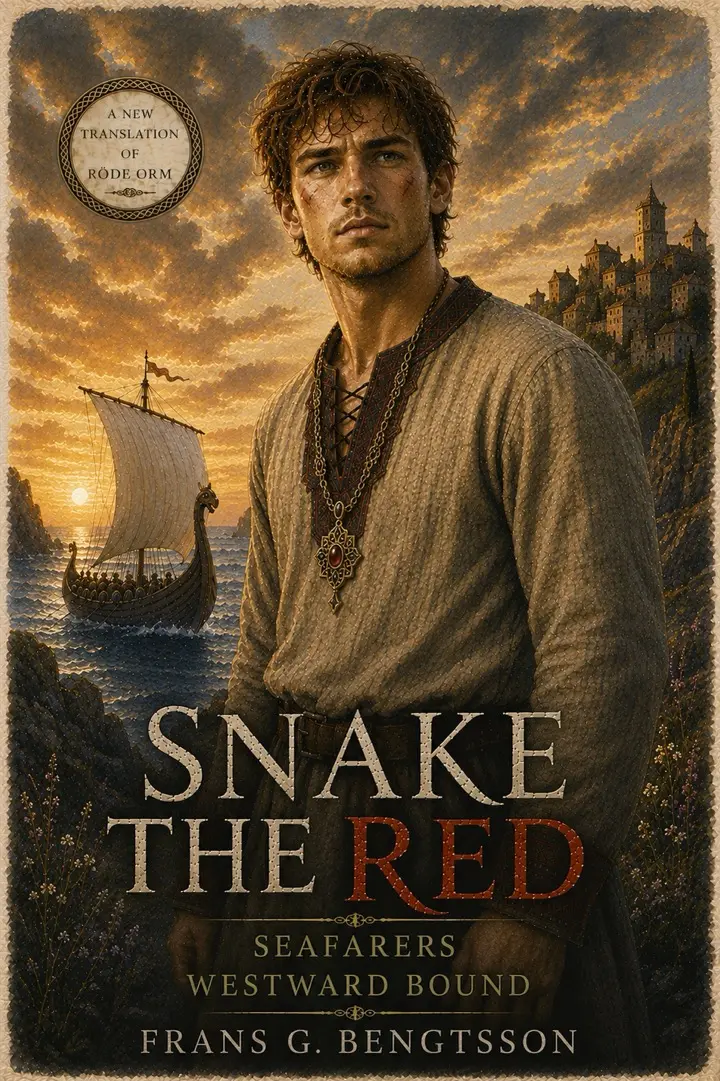
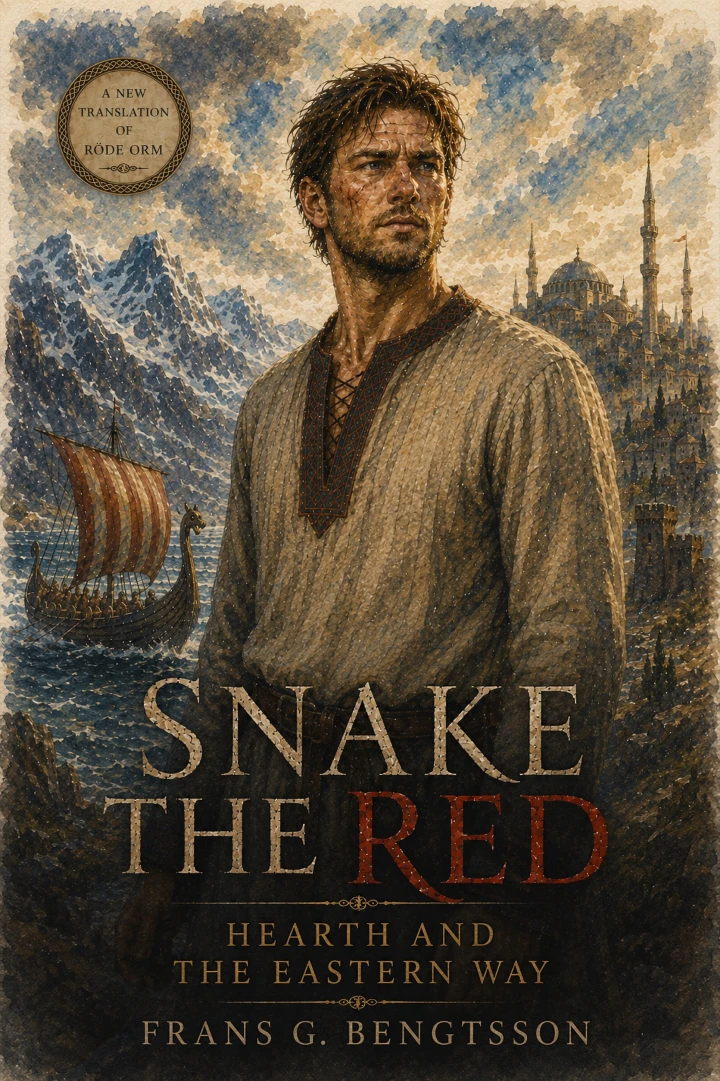
Orm Tostesson — Snake the Red — is taken by Vikings as a boy, sold as a slave in Moorish Spain, and freed with a sword. A drily funny, panoramic saga of a North in the long act of becoming Christian, told by Sweden's most beloved twentieth-century novelist.
"Possibly the best historical novel ever written. Certainly the funniest."
Snake the Red has come home. He builds his farm on the Swedish border, raises a palisade and a church, and sets about converting his neighbours. Then word comes of a fortune in Bulgarian gold buried along the eastern river road — and Snake assembles his crew for one more voyage, down the Dnieper and deep into Gardarike, where the rapids are deadly and the trading posts are full of armed men who have heard the same rumour.
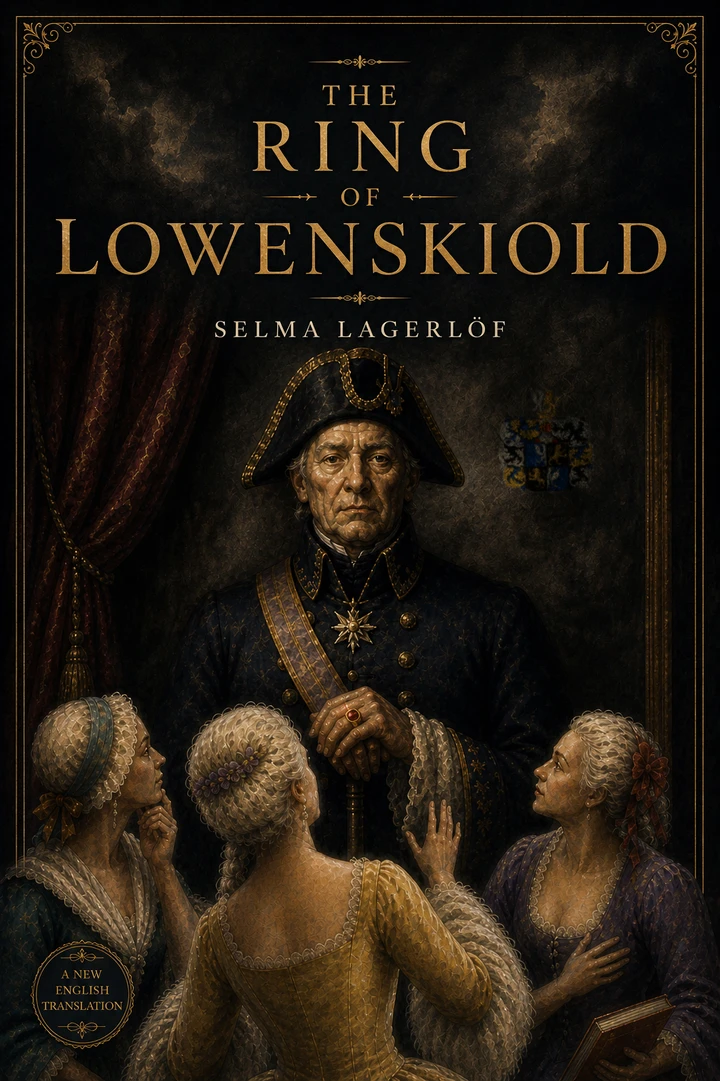
When General Benedict Lowenskiold of Hedeby dies, he is buried with the ring given to him by King Charles XII — the one thing he prized above all else. Within months, a peasant couple have broken open the tomb and stolen it. What follows is swift and merciless: the family loses everything, is driven into the wilderness, and the General begins to walk at night.
The ring moves through the world leaving ruin behind it — through confession and concealment, false accusation and judicial murder. Thirty years on, a woman named Marit Ericson, who lost three of her own to the Lowenskiold family’s thirst for revenge, finds the ring sewn into a dead man’s cap. She sees her chance. She sews it into the cap of young Adrian Lowenskiold, and sends the curse home to Hedeby.
It falls to Malvina Spaak — a young housekeeper, terrified of ghosts but steadier than anyone knows — to untangle what generations of pride and cruelty have knotted. She is the only one who understands that the General does not want blood. He wants his ring back.
Selma Lagerlöf — the first woman to win the Nobel Prize in Literature (1909) — was at the height of her powers when she wrote this trilogy. The Ring of Lowenskiold is the first of three novellas, first published in 1925. Set in the forests and estates of Värmland, it moves with the assurance of a folk tale and the moral precision of a great novelist. This translation renders Lagerlöf’s voice — intimate, ironic, and unerring — in modern English.
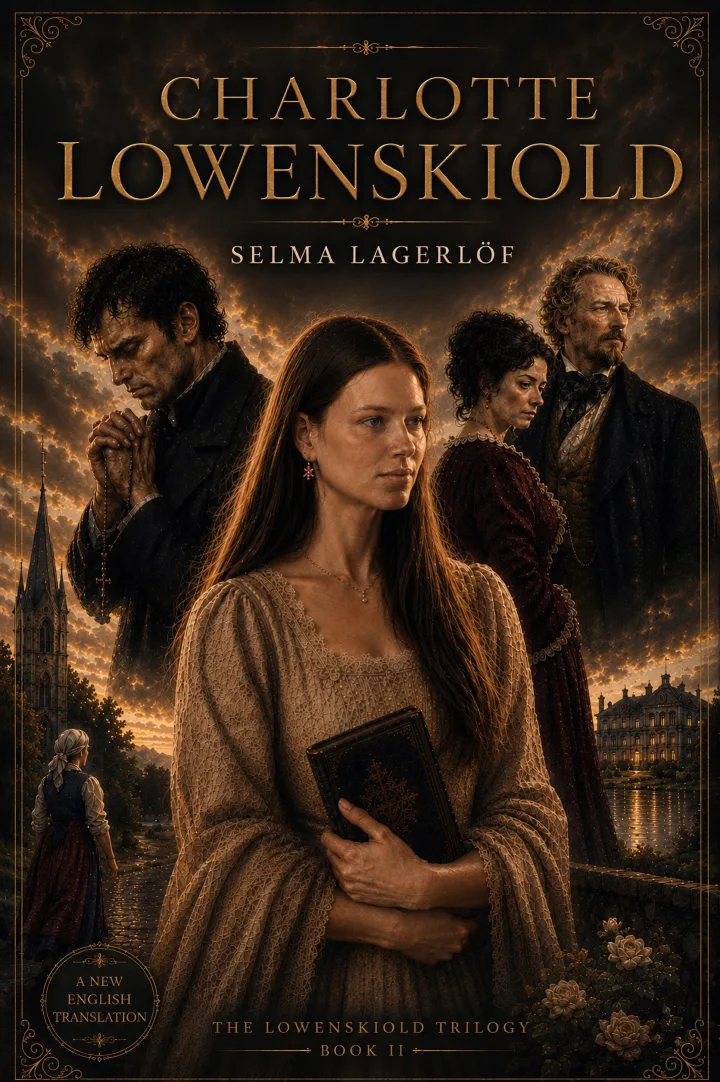
Charlotte Lowenskiold is bright and warm-hearted; her betrothed, the curate Carl Arthur Ekenstedt, is handsome and eloquent — and consumed by a fanatical piety that leaves no room for ordinary human kindness. Goaded by the jealous, deceptively meek organist’s wife Thea Sundler, he breaks their engagement and swears in his fury to marry the first woman he meets on the road, the Dalecarlian girl Anna Sward. To shield his reputation, Charlotte takes the blame for the rupture upon herself — and is shunned by the parish until the rich, clear-sighted ironmaster Schagerstrom sees her true worth.
Set in 1830s Värmland, this is a sharp, compassionate study of false piety and genuine goodness, and of how gossip can ruin a life in a small community.
Literature offers priceless aesthetic works, philosophical ideas, and social vision — and it is also full of prejudices, ideological turns, and attempts to build community through exclusion.Our editorial position · on translating a heritage
We aren’t freed from those prejudices and structures today, but the further time runs, the clearer the absurdity of many of history’s assumptions becomes. The classics carry both gifts and harms; we don’t edit either out. We translate carefully, so contemporary readers can meet these books in the English they already read — and judge them for themselves.
Swedish Tales is a small imprint of Hjelm Förlag, working title by title. If a book belongs in the conversation, we want it on the shelf.